
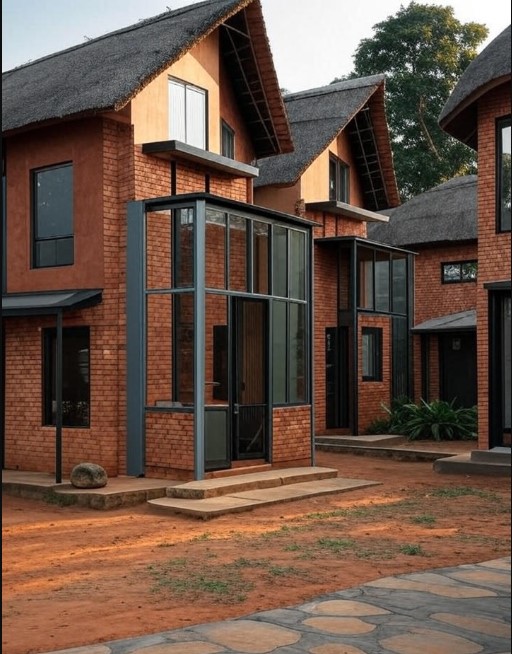
Low-Cost Housing Designs That Don’t Compromise Aesthetics
In a world where affordability often seems at odds with beauty, it’s heartening to know that stunning home design doesn’t have to break the bank. For many Nigerians—and countless others across Africa—owning a home is a lifelong dream. Yet, tight budgets often force people to prioritize function over form, settling for bare-bones structures that meet basic needs but lack inspiration. The good news? You don’t have to choose between affordability and aesthetics. With thoughtful design, locally sourced materials, and innovative approaches, it’s possible to create homes that are both budget-friendly and beautiful. Let’s explore how to make this dream a reality.
What Defines Low-Cost Housing?
Low-cost housing is all about maximizing value without sacrificing quality. It’s not just about cutting corners or building bare-minimum shelters—it’s about smart, intentional choices that make homes affordable, durable, and appealing. Here’s what sets low-cost housing apart:
- Use of Locally Available Materials: Sourcing materials like laterite, compressed earth blocks, or recycled wood reduces costs significantly. In Nigeria, for instance, mud bricks (adobe) or laterite are abundant and far cheaper than imported cement or steel, while still offering durability when properly treated.
- Efficient Space Planning: Low-cost homes often work with smaller footprints, so every square meter counts. Clever layouts—like open-plan living areas or multi-functional rooms—ensure spaces feel larger and more versatile without requiring extra materials.
- Minimalistic but Functional Structures: Simplicity is key. Clean lines, modest sizes, and practical designs keep costs low while creating a timeless look that doesn’t feel cheap.
By focusing on these principles, developers and homeowners can build homes that are both economical and livable, setting the stage for designs that inspire.
Why Aesthetics Still Matter in Affordable Housing
You might wonder: if the goal is affordability, why bother with aesthetics? The answer lies in the profound impact a well-designed home can have:
- Psychological Impact of Good Design: A beautiful, well-thought-out space can uplift your mood, boost productivity, and foster a sense of calm. Imagine walking into a home with warm natural light, vibrant colors, and thoughtful details versus a stark, uninspired box. The former feels like a sanctuary; the latter, a compromise.
- Value Appreciation: Homes that look good and feel good tend to hold or increase their value over time. Aesthetically pleasing designs attract buyers and renters, making them a smarter investment for homeowners and developers alike.
- Sense of Pride and Dignity: A home is more than a roof over your head—it’s a reflection of who you are. Beautiful low-cost homes give residents a sense of pride, fostering dignity and community pride. In Nigeria, where many associate homeownership with status, this is especially important.
Aesthetics aren’t a luxury; they’re a necessity for creating spaces that people love to live in.
Strategies to Achieve Beautiful Yet Affordable Homes
So, how do you balance beauty and budget? Here are some practical strategies that architects and homeowners across Africa are using to create stunning low-cost homes:
- Smart Use of Space and Lighting: Natural light is free and transformative. Large windows, skylights, or strategically placed openings can make small spaces feel airy and spacious. For example, orienting a home to capture sunlight reduces the need for artificial lighting, cutting energy costs while enhancing the ambiance.
- Incorporating Traditional Elements in a Modern Way: Blending cultural designs with modern techniques creates unique, cost-effective homes. In Nigeria, for instance, using patterned mud walls or thatched roofs with contemporary finishes like polished concrete floors can evoke cultural pride while keeping costs low.
- Choosing Cost-Effective but Visually Appealing Finishes: Instead of expensive tiles, consider polished concrete, exposed brick, or natural stone. These materials are affordable, low-maintenance, and add texture and warmth to a space. A splash of vibrant paint—think earthy ochres or bold African prints—can elevate a simple design without breaking the bank.
- Using Modular Design and Prefabrication: Modular homes, built from pre-made components, reduce construction time and waste. In Kenya, companies like 14Trees use 3D-printed concrete modules to create affordable, stylish homes in record time. This approach not only cuts costs but also allows for sleek, modern designs.
These strategies prove that with creativity and planning, affordability and beauty can go hand in hand.
Examples of Inspiring Low-Cost Designs in Africa
Across Africa, innovative architects and developers are showing that low-cost housing can be breathtaking. Here are a few standout projects:
Nigeria: The Legacy Housing Project in Lagos
This initiative uses compressed earth blocks and local timber to create eco-friendly, affordable homes. The designs incorporate open courtyards and vibrant colors inspired by Yoruba culture, blending tradition with modern minimalism. The result? Homes that feel spacious and welcoming, all under tight budgets.Kenya: 14Trees’ 3D-Printed Homes
In Kilifi, 14Trees has pioneered 3D-printed housing using locally sourced materials. These homes are not only affordable but also sleek and modern, with curved walls and open layouts that maximize space and light. Check out their work at 14Trees.South Africa: The Vissershok Container School
While not a home, this project repurposes shipping containers into a vibrant, functional school, proving that recycled materials can create stunning spaces. Similar principles are being applied to housing in Cape Town, where container homes are painted in bright colors and fitted with large windows for a modern, budget-friendly aesthetic.
These projects show that low-cost doesn’t mean low-quality. With creativity, local resources, and innovative techniques, African architects are redefining affordable housing.
Architectural Tips for Developers and Homeowners
Whether you’re a developer building a community or a homeowner planning your dream house, here are some practical tips to ensure your low-cost home doesn’t skimp on style:
- Consult Early with Designers: Engage an architect or designer from the start. They can help you maximize your budget with clever layouts and material choices. In Nigeria, firms like NLÉ Works specialize in affordable, culturally resonant designs.
- Focus on Quality Over Quantity of Materials: Instead of splurging on imported tiles or fancy fixtures, invest in durable, locally sourced materials like treated wood or stabilized mud bricks. These are cheaper and built to last in local climates.
- Prioritize Long-Term Durability and Ease of Maintenance: Choose materials and designs that require minimal upkeep. For example, a well-sealed concrete floor or a metal roof can withstand Nigeria’s rainy seasons without costly repairs.
By thinking strategically, you can build a home that’s both affordable and enduringly beautiful.
Conclusion: Redefining Affordable Housing
Affordable homes don’t have to be dull or uninspired. With smart design, local materials, and a focus on aesthetics, it’s possible to create spaces that are beautiful, livable, and dignified. Across Africa, from Lagos to Nairobi, innovative projects are proving that low-cost housing can be a source of pride, not compromise. It’s time to rethink how we build for the majority—because everyone deserves a home that feels like home.
Let’s keep pushing for designs that uplift, inspire, and prove that beauty doesn’t have to come with a hefty price tag. Have you seen any stunning low-cost homes in your area? Share your thoughts or questions below—I’d love to hear about them!








Comments
No comments yet..!
Write a Comment