
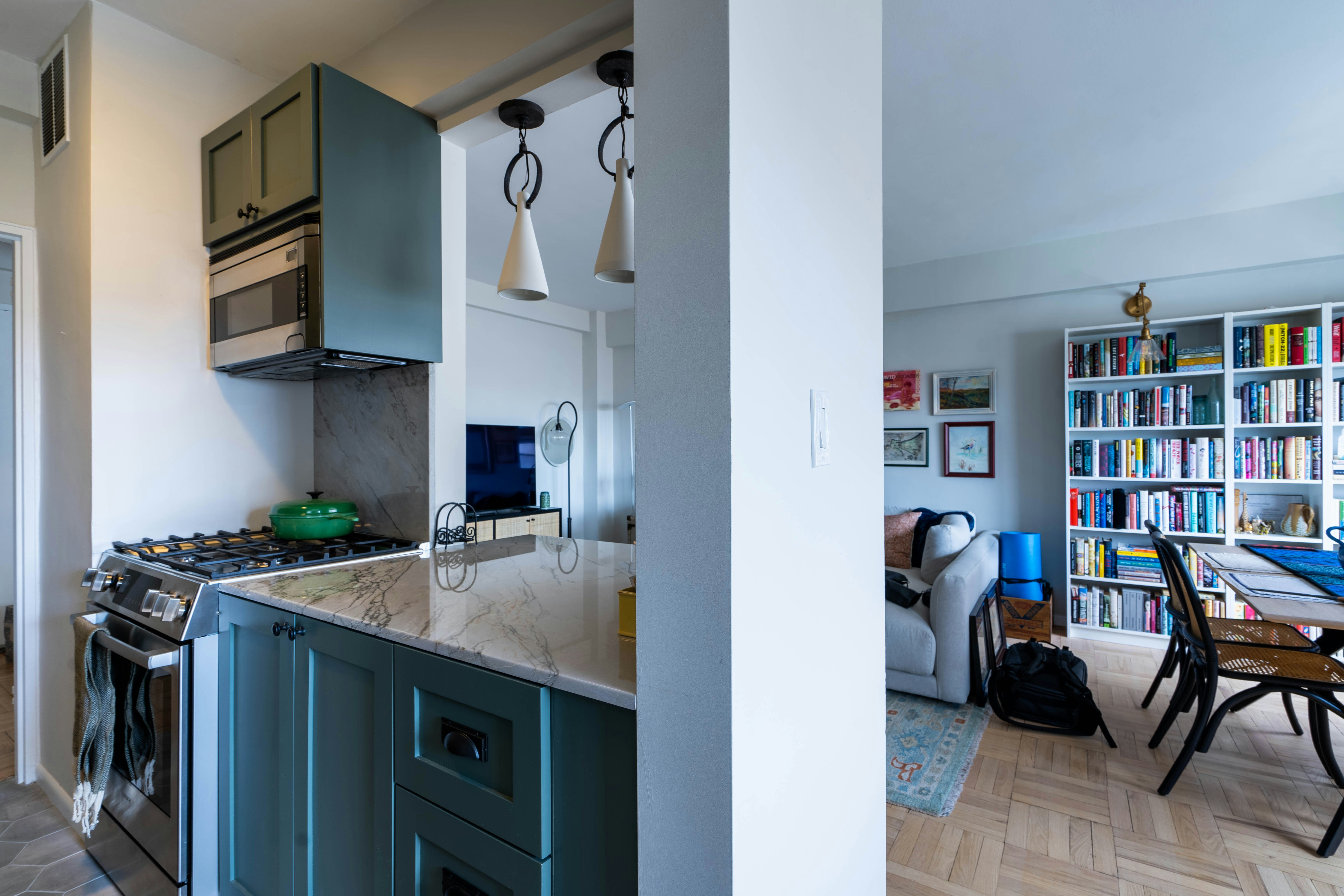
Open-Concept Living: A Timeless Design Approach
Open-concept living has revolutionized the way we think about home design. By removing walls and barriers between the kitchen, dining, and living spaces, this approach creates a sense of freedom, connection, and light that remains as appealing today as ever. But what makes open-concept living truly timeless?
Why Open-Concept Living Works
1. Enhanced Flow of Light and Air
One of the biggest advantages of an open floor plan is the way natural light flows freely throughout the space. Without walls blocking windows, sunlight travels farther into the home, creating a brighter, more uplifting environment. Better air circulation also makes open spaces feel fresher and more comfortable.
2. Fosters Connection and Interaction
Open-concept layouts are perfect for modern lifestyles where multitasking and social interaction are key. Whether you\'re cooking dinner while chatting with guests or keeping an eye on children as they play, open living spaces help maintain a strong connection between different activities and people.
3. Maximizes Space
Without dividing walls, even smaller homes feel larger and more expansive. Open layouts create the illusion of more space, making rooms feel less cramped and more welcoming.
4. Design Flexibility
An open floor plan offers the freedom to reconfigure furniture and decor to suit changing needs. Whether hosting a party, creating a cozy reading nook, or setting up a home office, open spaces can easily adapt without major renovations.
Key Elements of a Successful Open-Concept Design
Zoning with Furniture: Use sofas, rugs, and shelving units to subtly define different areas without enclosing them.
Consistent Flooring and Color Palette: Keeping floors and colors uniform across the space enhances the open feel and makes transitions smooth and natural.
Strategic Lighting: Layered lighting — including pendant lights, floor lamps, and recessed lighting — helps define spaces while maintaining an open atmosphere.
Functional Kitchens: Since the kitchen is often part of the main living space, it should be both stylish and practical, with clutter kept to a minimum.
Challenges to Consider
While open-concept living offers many benefits, it’s important to address potential downsides, such as:
Noise Levels: Sound travels easily in open spaces. Solutions like area rugs, upholstered furniture, and acoustic panels can help.
Lack of Privacy: For some activities, having a private retreat or quiet corner might still be necessary.
Conclusion
Open-concept living continues to stand the test of time because it speaks to fundamental human needs — connection, flexibility, and a love for light-filled spaces. Whether you\'re designing a new home or renovating an existing one, embracing open living can create a more beautiful, functional, and timeless place to live.


















Comments
No comments yet..!
Write a Comment