
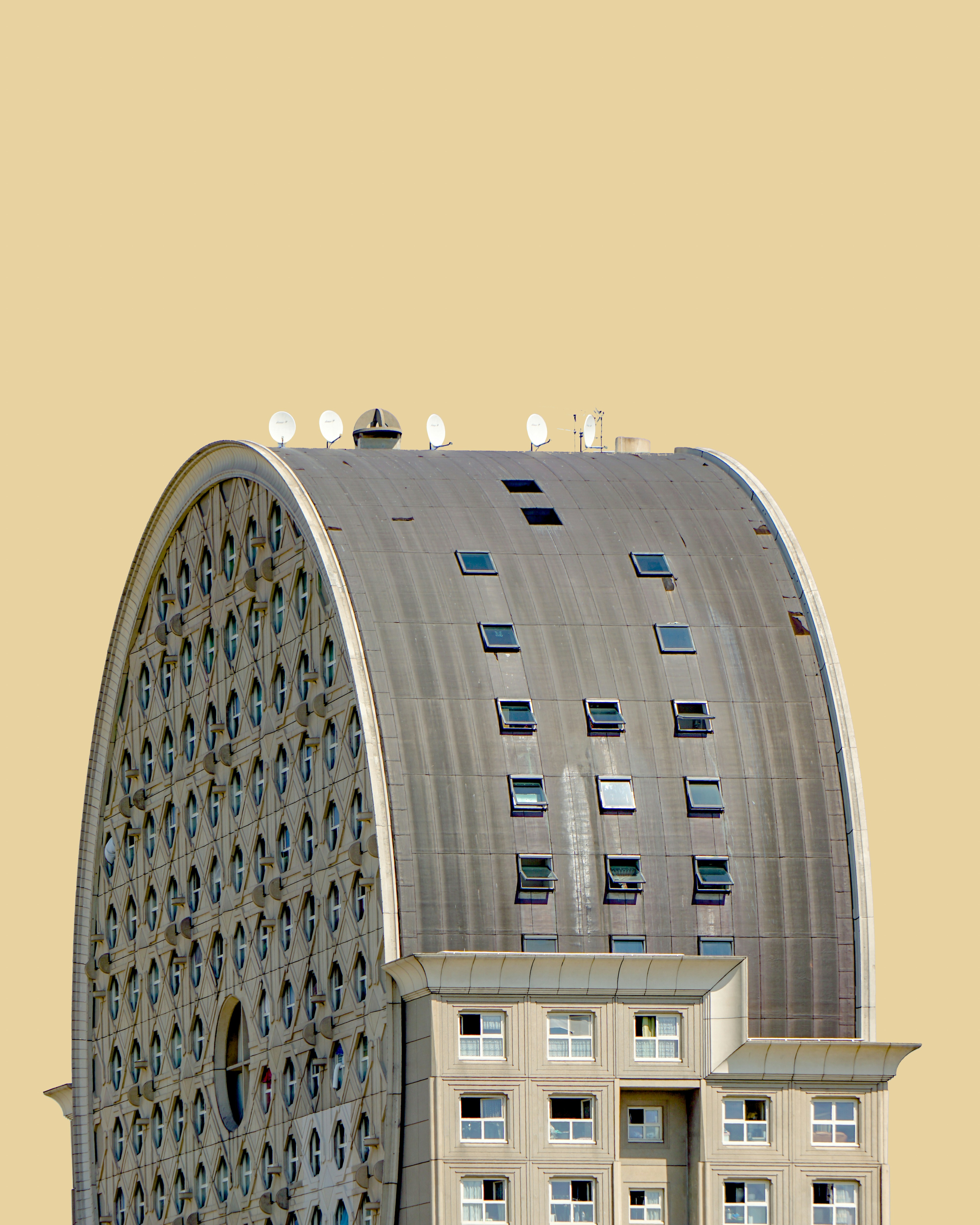
The Evolution of Modern Architecture: From Brutalism to Minimalism
Modern architecture has undergone significant transformations over the past century, marked by bold shifts in style, material, and functionality. Two of the most influential movements in this evolution are Brutalism and Minimalism. Each style, though drastically different, has shaped the way we design and experience the built environment today. Let’s take a deep dive into these two architectural movements and explore their origins, philosophies, and lasting influence.
Brutalism: The Raw Power of Concrete
Origins and Influences
Brutalism emerged in the mid-20th century, rooted in the aftermath of World War II when there was a need for fast, functional, and inexpensive construction. The term \"Brutalism\" comes from the French word béton brut, meaning \"raw concrete,\" which was the primary material used in these designs. Influenced by modernist principles, Brutalism rejected ornamentation and instead emphasized raw, unrefined surfaces and massive, sculptural forms.
Key Features of Brutalism
Exposed Concrete: Often left unfinished, showcasing the texture and form of the material.
Geometric Shapes: Bold, angular forms that convey strength and permanence.
Functional Design: A focus on utility and simplicity over decoration.
Monolithic Structures: Large, imposing buildings that made a strong visual impact.
Iconic Brutalist Structures
The Barbican Centre (London): A sprawling complex featuring rugged concrete and angular shapes.
The Unité d\'Habitation (Marseille, France): Designed by Le Corbusier, this building is a prime example of Brutalism’s focus on functionality and social housing.
Boston City Hall (USA): Known for its dramatic use of concrete and unconventional design.
The Legacy of Brutalism
While Brutalism was initially celebrated for its honesty and unpretentious style, it eventually faced criticism for its cold, imposing aesthetic. Many Brutalist buildings were demolished or abandoned, but in recent years, there has been a renewed interest in the style, as its raw beauty and emphasis on materiality are appreciated by contemporary architects.
Minimalism: Embracing Simplicity and Elegance
The Birth of Minimalism
In contrast to Brutalism’s bold and imposing forms, Minimalism emerged as a reaction against complexity and excess in design. Drawing influence from Japanese Zen philosophy and modernist ideals, Minimalism emphasizes simplicity, clean lines, and open space. It gained traction in the 1980s and 1990s, aligning with broader cultural shifts toward minimalist living and decluttering.
Key Features of Minimalism
Clean, Uncluttered Spaces: Interiors are open, bright, and devoid of excessive decoration.
Use of Neutral Palettes: A focus on whites, grays, and other muted tones to create a serene atmosphere.
Functional and Elegant Furniture: Simple yet carefully designed pieces that complement the architecture without overwhelming it.
Natural Light: Large windows and light-colored surfaces that maximize the flow of natural light.
Iconic Minimalist Structures
The Barcelona Pavilion (Spain): Designed by Ludwig Mies van der Rohe, this structure is often cited as a key early example of Minimalism in architecture.
The Glass House (USA): Designed by Philip Johnson, this transparent structure is a minimalist masterpiece that blends architecture with its natural surroundings.
The Koshino House (Japan): A quintessential minimalist design that focuses on harmony between interior and exterior spaces.
The Legacy of Minimalism
Minimalism has become synonymous with luxury and modernity, influencing not just architecture but also interior design and lifestyle. Today, many contemporary homes and public buildings embrace minimalist principles to create spaces that are functional, peaceful, and aesthetically timeless.
The Shift from Brutalism to Minimalism: A Changing Cultural Landscape
The Transition in Architectural Philosophy
The transition from Brutalism to Minimalism represents a cultural shift from the post-war era\'s utilitarian needs to a desire for simplicity, beauty, and harmony with nature. While Brutalism focused on functionality and rawness, Minimalism sought elegance through simplicity. Brutalism’s imposing structures gave way to open, airy spaces that encouraged tranquility and connection to the environment.
Key Drivers of Change
Cultural Shifts: As society moved from the industrial to the information age, the emphasis shifted from sheer functionality to the aesthetic and emotional aspects of spaces.
Technological Advancements: New materials and construction techniques allowed architects to experiment with lighter, more refined designs.
Environmental Considerations: Minimalist architecture often focuses on sustainable, energy-efficient designs, appealing to contemporary concerns about the environment.
Conclusion
From the rugged, monumental forms of Brutalism to the sleek, serene spaces of Minimalism, modern architecture reflects changing attitudes toward design, function, and society. While Brutalism’s boldness and structure had its time in the spotlight, Minimalism’s clarity and simplicity have captured the imagination of architects and homeowners today. Both movements continue to influence the way we think about the built environment, offering timeless lessons in how form and function can coexist beautifully.


















Comments
No comments yet..!
Write a Comment