
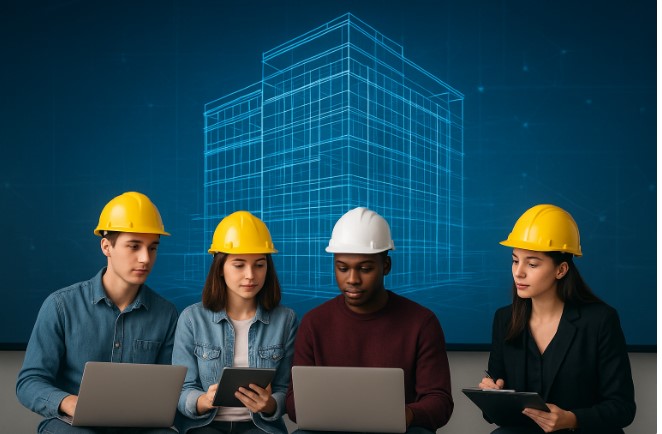
What Every Final-Year Construction Student Should Know About the Future of Digital Platforms
As a final-year construction student, you’re standing at the edge of an exciting but challenging transition—from the world of academic learning into the professional construction industry. What makes this transition even more unique today is the rapid digital transformation sweeping across the built environment.
The construction industry has long been criticized for lagging behind other sectors in adopting technology. However, the tide is turning. The future of construction will not only be about concrete, steel, and bricks—it will be about data, platforms, and digital collaboration.
If you’re preparing to graduate, understanding how digital platforms are shaping the industry is no longer optional. It’s a necessity that will determine how competitive you are in the job market and how quickly you can adapt to industry changes.
Here’s what you should know.
1. Digital Platforms Are Now the Backbone of Construction
When people talk about “digital platforms” in construction, they’re referring to centralized tools and systems that allow professionals to work smarter, faster, and more collaboratively. These range from project management platforms like Procore, PlanGrid, and Autodesk Construction Cloud, to marketplaces like WeConstructHub, Houzz Pro, and Architizer that simplify procurement and networking.
Unlike traditional workflows where everything depended on paperwork, phone calls, and physical meetings, digital platforms make it possible to:
Access project documents in real-time from anywhere.
Track progress digitally with timelines, cost updates, and approvals.
Reduce errors caused by miscommunication.
Why this matters for you as a student:
Employers increasingly expect graduates to be digitally literate. Being comfortable with these platforms can set you apart in job interviews and early career opportunities.
2. The Future of Collaboration Is Online
Construction projects are inherently collaborative—they bring together architects, engineers, contractors, quantity surveyors, clients, and regulators. In the past, this collaboration often meant long, drawn-out meetings and manual document exchanges.
Now, collaboration is shifting online. With Building Information Modeling (BIM) platforms, for example:
Designers upload 3D models.
Quantity surveyors extract quantities directly from the model.
Contractors link schedules to the design for better planning.
Clients view the entire project digitally before it even starts.
This “single source of truth” model reduces misunderstandings, saves time, and improves accuracy.
For final-year students: Get familiar with BIM basics and practice using collaboration tools. Even free versions of Autodesk BIM 360 or Revit student licenses can give you a head start.
3. Data Is the New Construction Currency
Every activity in construction generates data—material prices, schedules, labor costs, safety records, environmental impact, and more. Digital platforms capture and organize this data, turning it into insights that support smarter decision-making.
Forward-thinking companies now use data analytics to:
Forecast project risks.
Control costs in real time.
Improve safety compliance.
Benchmark sustainable practices.
For you as a student:
Learn how to handle basic data using tools like Excel, Power BI, or CostX.
Practice analyzing trends in material costs or project durations.
Develop the ability to interpret digital dashboards and turn numbers into recommendations.
This will make you more valuable to employers who are shifting towards data-driven construction.
4. Career Opportunities Are Expanding Beyond Traditional Roles
Digital transformation is not replacing construction professionals—it’s reshaping their roles. Traditional titles like “Quantity Surveyor” or “Site Engineer” are evolving into hybrid positions with a digital edge.
Emerging career opportunities include:
Construction Data Analyst – focused on analyzing cost, productivity, and performance data.
BIM Coordinator/Digital Engineer – managing digital models across design and construction.
Construction Tech Specialist – helping firms implement new technologies.
Marketplace Manager – overseeing procurement and supply on digital platforms.
These roles are relatively new, but demand is growing fast. Students who are proactive in learning digital skills will find themselves at the forefront of these opportunities.
5. Networking Has Gone Digital
The phrase “your network is your net worth” is truer than ever, and networking in construction is no longer limited to conferences or professional dinners. Digital platforms now provide powerful avenues to build visibility and relationships.
For instance:
LinkedIn helps you connect with industry professionals and share your insights.
Professional body portals (like NIQS, NSE, COREN) offer digital communities for members.
WeConstructHub and similar platforms give you access to industry news, material prices, and communities of practice.
Tip for final-year students: Start building your digital presence before you graduate. Post your project experiences, share construction insights, and connect with professionals. Recruiters often check online profiles before reaching out.
6. Sustainability and Digital Go Hand-in-Hand
Sustainability is no longer a buzzword—it’s a global priority. With climate change concerns and stricter regulations, construction professionals must find ways to reduce waste, lower carbon emissions, and adopt greener practices.
Digital platforms are critical here. They help to:
Compare the costs of sustainable vs. traditional materials.
Track environmental impact throughout the project lifecycle.
Reduce waste by improving accuracy in design and procurement.
Why this matters for you: Final-year students with knowledge of both sustainability and digital tools will be in high demand. Imagine being able to show an employer that you not only understand green materials but can also use digital tools to justify their adoption in cost plans.
7. Lifelong Learning Will Be Your Competitive Edge
Finally, the most important thing you should know: technology will never stop evolving. The tools you learn today may change in five years. What will keep you competitive is the mindset of continuous learning.
Attend webinars and short online courses on digital tools.
Follow construction tech blogs and newsletters.
Experiment with free or trial versions of platforms.
Employers don’t expect you to know everything, but they do expect you to be adaptable and willing to learn.
Final Thoughts: Be Future-Ready, Not Just Job-Ready
As a final-year construction student, your degree gives you the foundation. But the industry you’re stepping into is rapidly digitizing. The professionals who will thrive are those who combine traditional construction expertise with digital fluency.
Digital platforms are not just tools—they are the future of how construction is planned, delivered, and sustained. Embrace them now, and you’ll not only secure your place in the industry but also be ready to lead it.
👉 Your next step? Choose one digital platform today (whether BIM, a project management tool, or a marketplace like WeConstructHub), and commit to learning it deeply. That small step could be the edge that sets you apart.









Comments
No comments yet..!
Write a Comment