
Modern vs. Traditional Architecture: Which is More Sustainable?
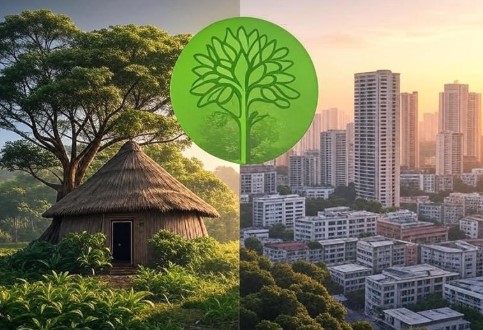
When you think of architecture in Nigeria, two worlds come to mind. On one hand, we have traditional designs—adobe houses, courtyard compounds, mud walls that breathe naturally with the climate. On the other, there’s modern architecture—steel, glass, and concrete skyscrapers rising in Lagos and Abuja.
But as conversations around sustainability grow louder, many construction stakeholders are asking: Which approach is truly more sustainable? Should we return to our roots or embrace technology?
Let’s explore both worlds and see where the balance lies.
What is Traditional Architecture?
Traditional architecture reflects culture, climate, and available materials. In Northern Nigeria, Hausa mud houses keep interiors cool despite the hot, dry climate. In the South-West, Yoruba courtyard homes allow natural ventilation and communal living. Igbo compounds often use locally available materials like laterite and palm thatch.
Why it’s considered sustainable:
Uses locally sourced materials with low embodied energy (mud, timber, bamboo).
Naturally energy-efficient, with passive cooling, daylighting, and good airflow.
Blends with the environment, minimizing disruption to local ecosystems.
However, traditional architecture can have shortcomings. Without proper maintenance, structures may deteriorate faster. It can also lack the durability and amenities expected in today’s urban lifestyle.
What is Modern Architecture?
Modern architecture prioritizes functionality, technology, and sleek aesthetics. Think high-rise apartments, shopping malls, and smart homes with glass facades and steel frames.
Its sustainability advantages:
Can integrate green technologies like solar panels, energy-efficient HVAC systems, and smart lighting.
Uses innovative materials that improve strength and durability.
Allows for urban densification, reducing land sprawl.
But there’s a trade-off—modern buildings often rely on high-carbon materials like cement, steel, and glass, which have a huge environmental footprint. They also typically need more artificial cooling and lighting, which increases energy demand.
Which is More Sustainable?
Let’s compare sustainability across key factors:
Materials
Traditional → Locally sourced, biodegradable, and low impact.
Modern → Often imported, processed, and energy-intensive.
Energy Use
Traditional → Relies on natural ventilation and sunlight.
Modern → Depends on air conditioning, artificial lighting, and other high-energy systems.
Durability
Traditional → Can be less durable without modern reinforcement.
Modern → Longer-lasting but harder to recycle at end-of-life.
So, traditional architecture wins in material sustainability and energy efficiency, but modern architecture wins in durability and adaptability to urban life.
The Best of Both Worlds: Hybrid Sustainable Design
Today, the most forward-thinking architects combine the wisdom of the past with modern innovation. This approach is called vernacular modernism or hybrid architecture.
Examples include:
Using passive cooling techniques (like wide eaves, courtyards, and natural ventilation) in urban homes.
Building with compressed earth blocks—a modern take on mud walls, but stronger and more durable.
Designing eco-resorts that blend traditional aesthetics with solar power, rainwater harvesting, and smart energy management.
This middle ground gives us culturally relevant, climate-friendly, and durable buildings.
What Should Nigeria’s Future Architecture Look Like?
The future of sustainable architecture in Nigeria shouldn’t reject modernity, but it also shouldn’t abandon local wisdom. Here’s what we need:
Policies that encourage green building standards (like LEED or EDGE certifications).
Education for architects and builders on sustainable materials and designs.
Collaboration between traditional craftsmen and modern engineers to preserve heritage while meeting modern needs.
By respecting our roots and embracing innovation, we can create buildings that are beautiful, functional, and environmentally responsible.
Final Thoughts
So, which is more sustainable—modern or traditional architecture?
Neither is perfect alone. Traditional designs are eco-friendly but can lack durability. Modern designs are durable but often resource-intensive. The best path forward is a hybrid approach that takes the climate-smart lessons of traditional architecture and enhances them with modern technologies and materials.
At WeConstructHub, we’re committed to promoting sustainable construction practices. From material price updates to tutorials and a marketplace for eco-friendly options, we’re here to help you build smarter.












Comments
No comments yet..!
Write a Comment